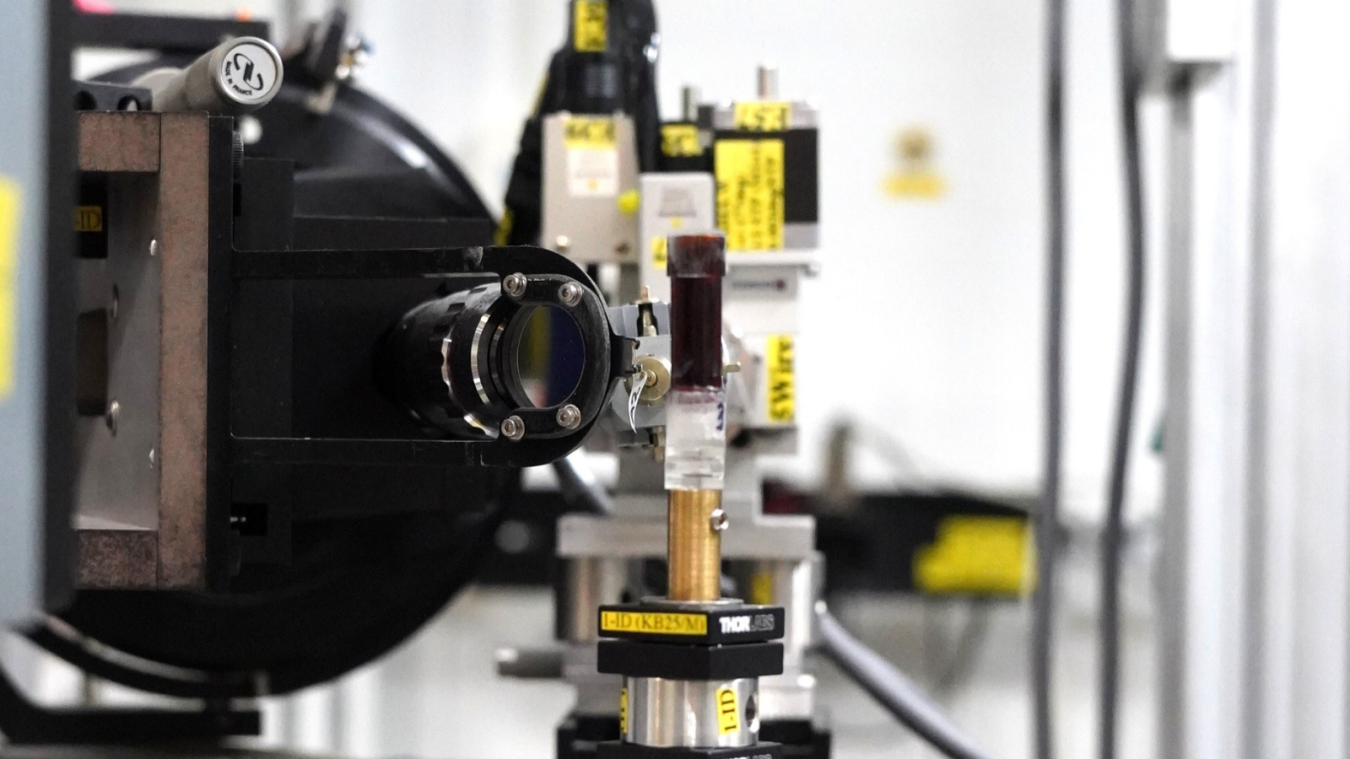
A radioactive sample prepared for X-ray analysis in the Advanced Photon Source. (Photo: Argonne)
Over the past two weeks, Argonne National Laboratory has announced numerous significant advancements being made by its staff to push forward nuclear fuels and materials research. Those announcements include the opening of the new Activated Materials Lab, the development of a new measurement technique, and the application of new artificial intelligence tools.
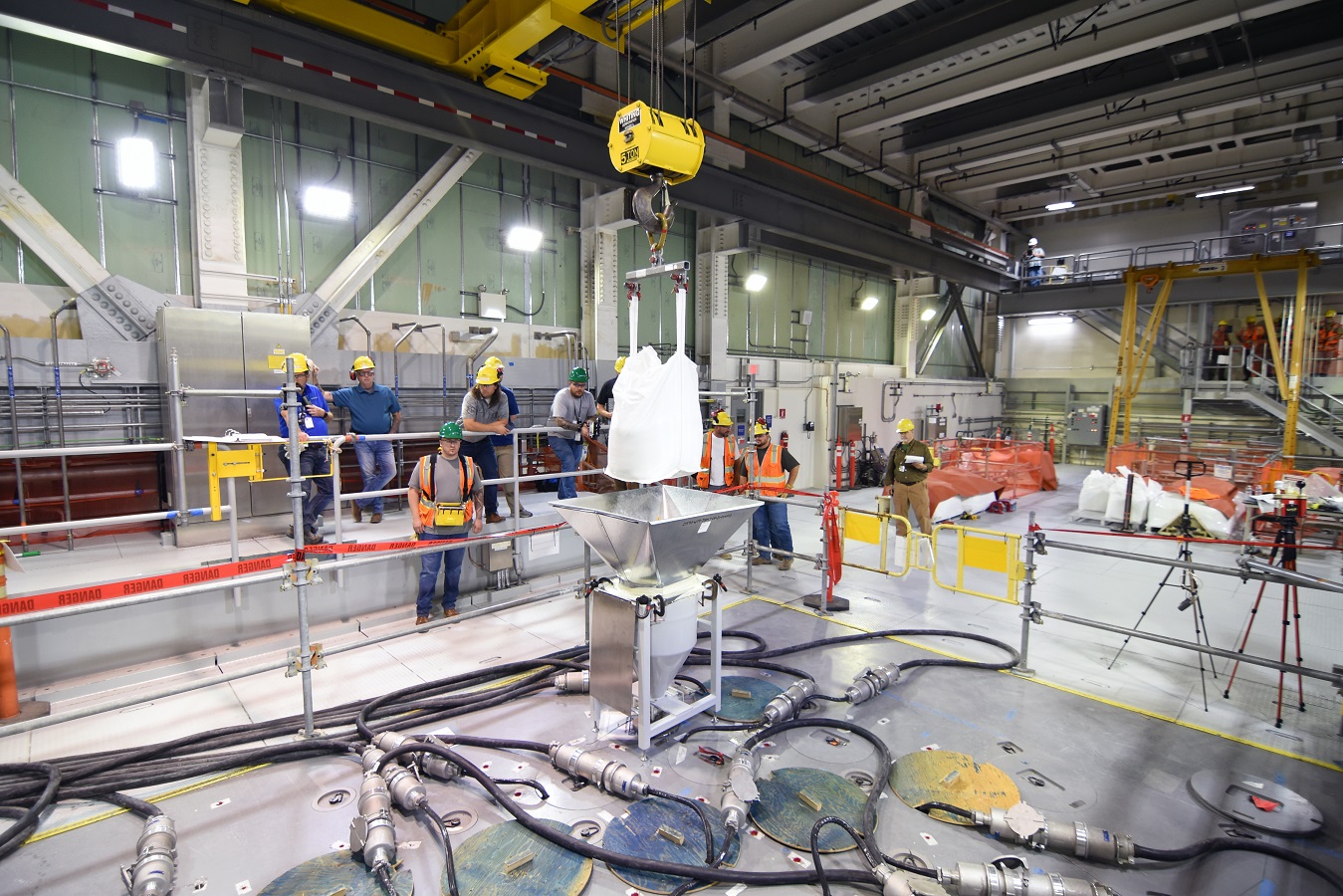
Hanford Site workers begin vitrification operations at the Low-Activity Waste Facility, part of the Waste Treatment and Immobilization Plant. (Photo: DOE)
The Department of Energy’s Office of Environmental Management faces significant cost increases, schedule delays, and data management issues in completing nuclear waste cleanup projects, according to a new report from the U.S. Government Accountability Office.
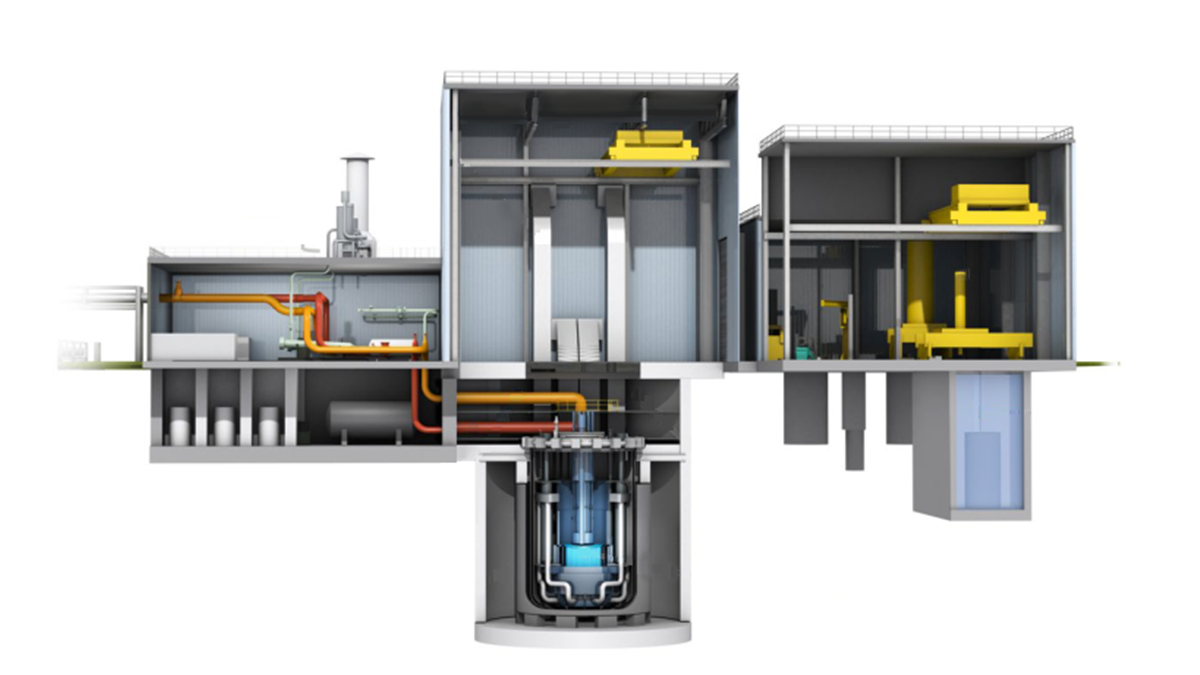
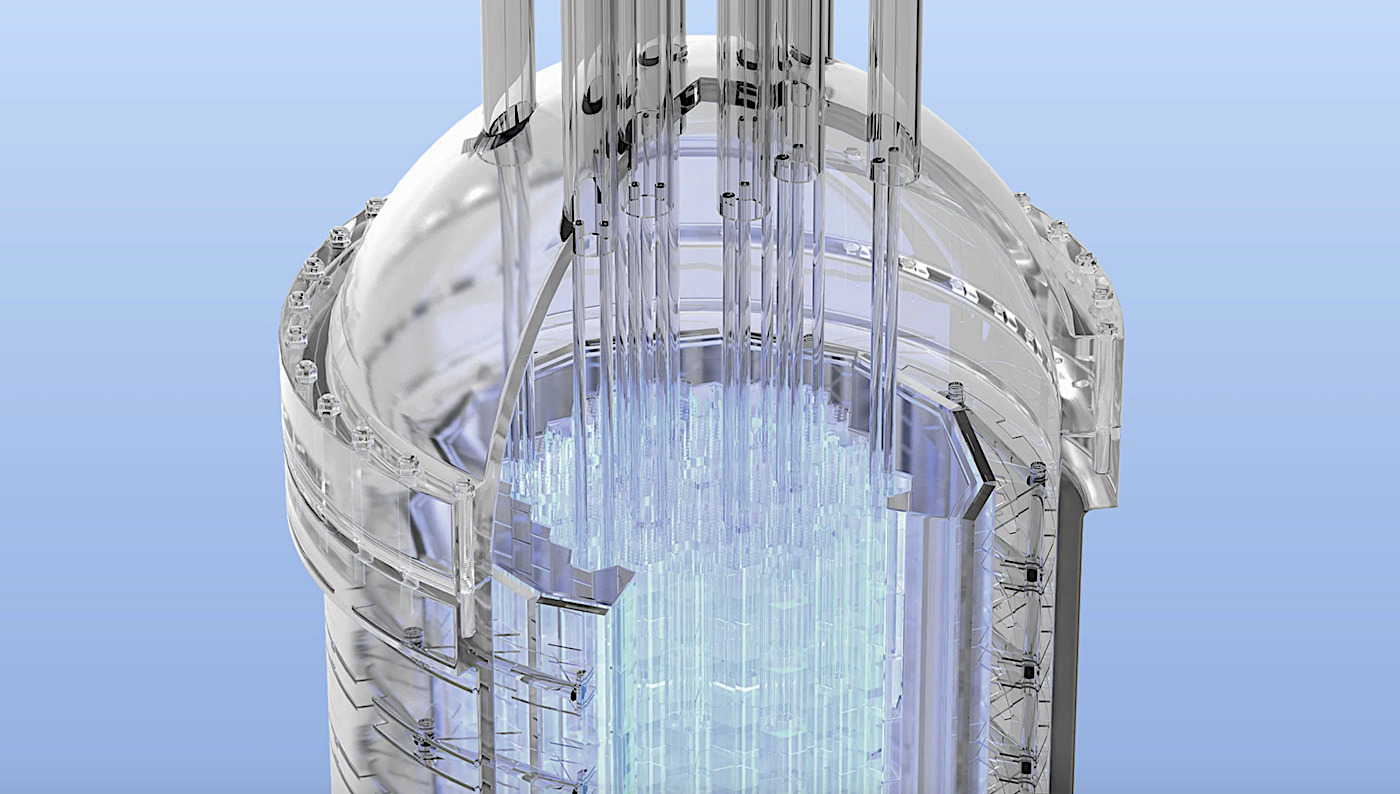
A cutaway diagram of the Natrium reactor. (Image: TerraPower)
Today, the Nuclear Regulatory Commission announced that it has approved TerraPower’s construction permit application for Kemmerer Unit 1, the company’s first deployment of Natrium, its flagship sodium fast reactor.
This approval is a significant milestone on three fronts. For TerraPower, it represents another step forward in demonstrating its technology. For the Department of Energy, it reflects progress (despite delays) for the Advanced Reactor Demonstration Program (ARDP). For the NRC, it is the first approval granted to a commercial reactor in nearly a decade—and the first approval of a commercial non–light water reactor in more than 40 years.
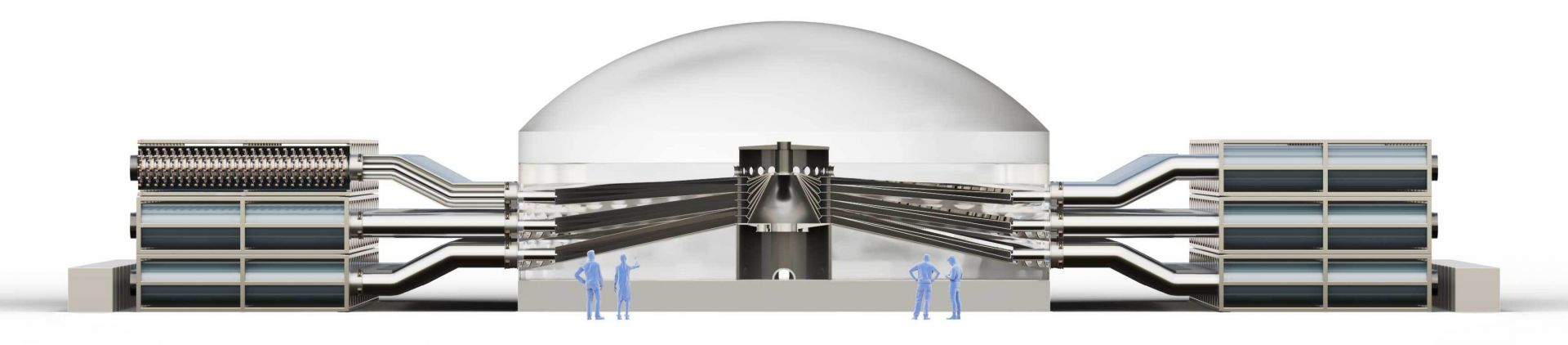
Cutaway illustration of ZettaJoule’s ZJ high-temperature, gas-cooled reactor. (Image: ZettaJoule)
Texas A&M University’s Engineering Experimental Station (TEES) is collaborating with Houston-based start-up ZettaJoule to explore the potential construction of a nonpower research reactor at the university’s College Station campus.
The university believes that hosting ZettaJoule’s ZJ high-temperature, gas-cooled reactor might lead to as much as $1 billion worth of research collaborations, industrial partnerships, and federal funding for its College of Engineering.
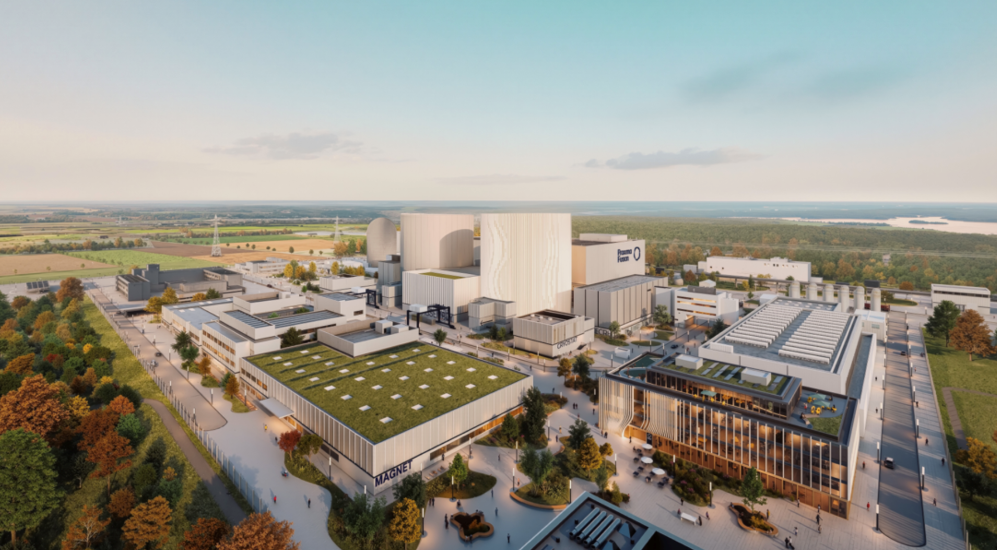
Artistic rendering of the future site of Proxima’s commercial stellarator fusion power plant Stellaris, in Gundremmingen, Germany. (Image: Proxima Fusion)
Proxima Fusion has signed a memorandum of understanding with the Free State of Bavaria, German electric company RWE, and Max Planck Institute for Plasma Physics (IPP) to build a commercial stellarator fusion power plant in Europe. Based in Munich, Proxima was spun out of IPP in 2023.
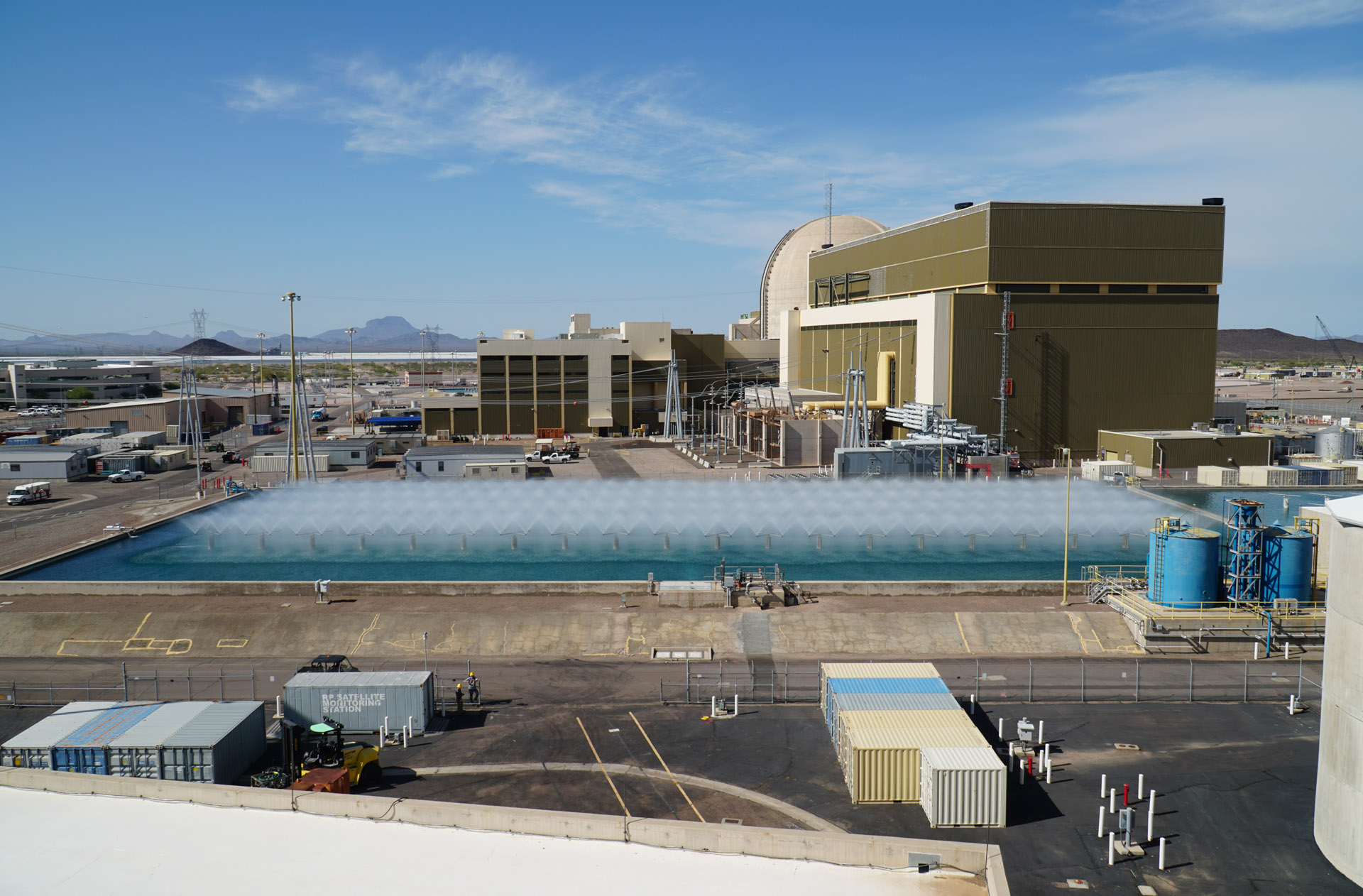
Palo Verde nuclear plant in Arizona. (Photo: APS)
Palo Verde, with three reactors and a combined capacity of about 4,000 MWe, is the only nuclear power plant in Arizona. But that could very well change soon if state officials have their way.
Much like other states in the West, Arizona believes nuclear energy is a vital component of the state’s future energy portfolio. At a special meeting of the Arizona Corporation Commission on February 24, commissioners, officials, and others in attendance showed broad bipartisan support for expanding nuclear energy.
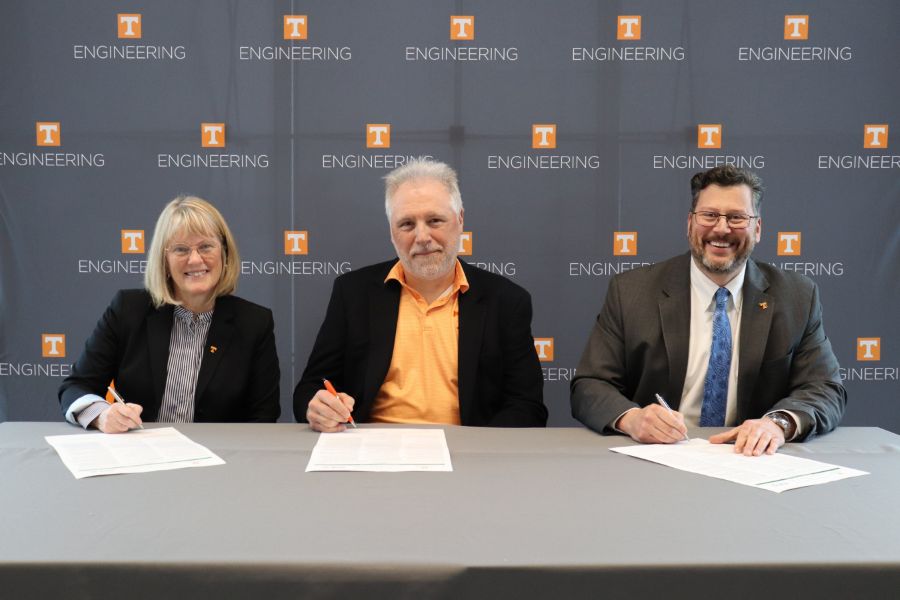
From left, UT vice chancellor for research Deborah Crawford, UCOR president and CEO Ken Rueter, and Tickle College of Engineering dean Matthew Mench sign an expanded MOU. (Photo: DOE)
The Department of Energy’s Office of Environmental Management announced that Oak Ridge Office of Environmental Management contractor United Cleanup Oak Ridge recently expanded its partnership with the University of Tennessee to provide learning opportunities for nuclear safety specialists supporting DOE-EM’s cleanup mission.
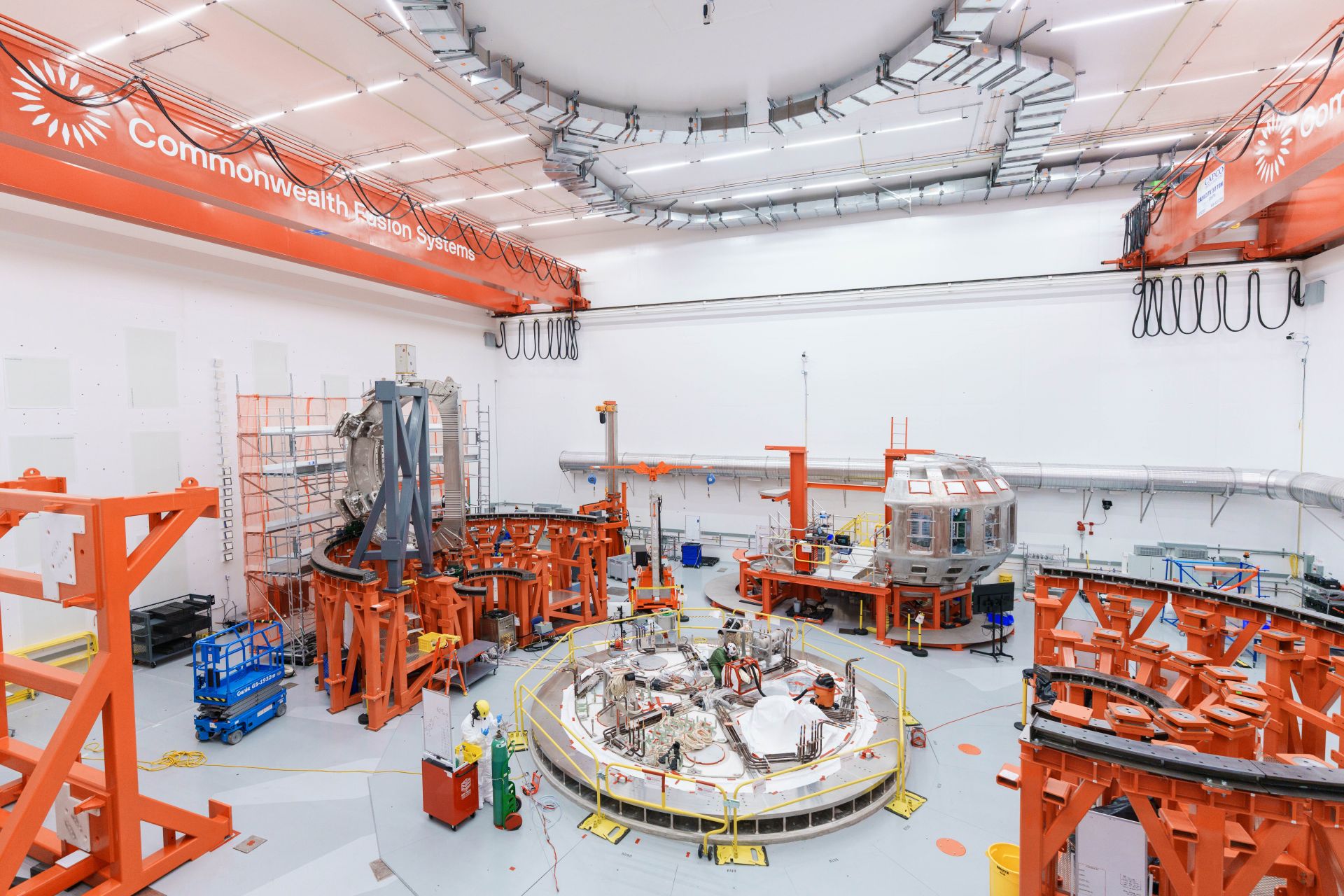
Tokamak Hall, where SPARC is being built, at CFS’s Devens, Mass., headquarters. (Photo: Commonwealth Fusion Systems)
Commonwealth Fusion Systems makes no small plans. The company wants to build a 400-MWe magnetic confinement fusion power plant called ARC near Richmond, Va., and begin operating it in the early 2030s. And the plans don’t end there. CFS wants to deploy “thousands” of fusion power plants capable of accelerating a global energy transition.
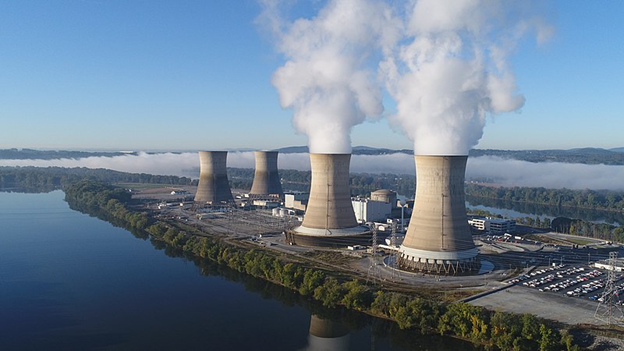
The cooling towers of Three Mile Island, with TMI-2 in the background and Crane in the foreground. (Photo: Constellation Energy)
Constellation has submitted an application with the Nuclear Regulatory Commission requesting three amendments to its renewed facility license to support the potential restart of Crane nuclear power plant (formerly Three Mile Island-1).
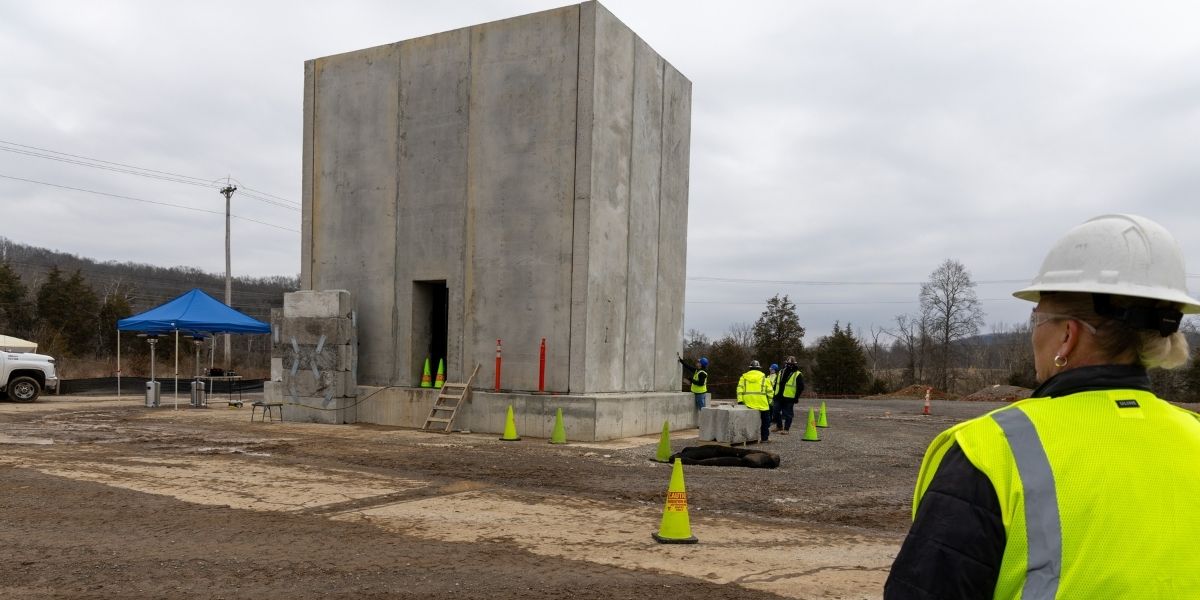
The full-scale precast concrete structure used for radiation testing at Kairos Power’s Reactor Demonstration Campus in Oak Ridge, Tenn. (Photo: Kairos Power)
Kairos Power has completed shielded radiation performance testing on a full-scale precast concrete structure at the company’s Reactor Demonstration Campus in Oak Ridge, Tenn., involving the use of an iridium-192 source to measure the movement of radiation through the concrete’s walls, joints, and seams. Kairos expects the results to contribute to schedule and cost estimates for its planned commercial power plants.

-3 2x1.jpg)